
MSCH Slideshow
Photo slideshow studio with animated layouts, beat analysis, subject framing, editable shot plans and streamed video export.
Nodes (7)
Give it a song, get back the exact moments to cut on — and a picture to prove it found them
Pick the folder, hit go, get an MP4 with a soundtrack
Storyboard the whole video before you render a single frame — then edit it and hand it to the renderer
Cut a slideshow VIDEO back into frames you can actually edit
Get your photos into the MSCH slideshow without wrecking their aspect ratios
Where the shot plan finally becomes an MP4
Stop the Ken Burns pan from cutting heads off
Superseded by MSCH Nodes: one install for the complete collection.
This standalone repository is retained for historical links and existing installations. New nodes and updates belong to the unified pack. Follow the migration guide before switching to avoid duplicate nodes.
MSCH Slideshow
Photo slideshow studio with animated layouts, beat analysis, subject framing, editable shot plans and streamed video export.
Node reference · Example workflows and results · Publishing guide
<!-- MSCH SHOWCASE -->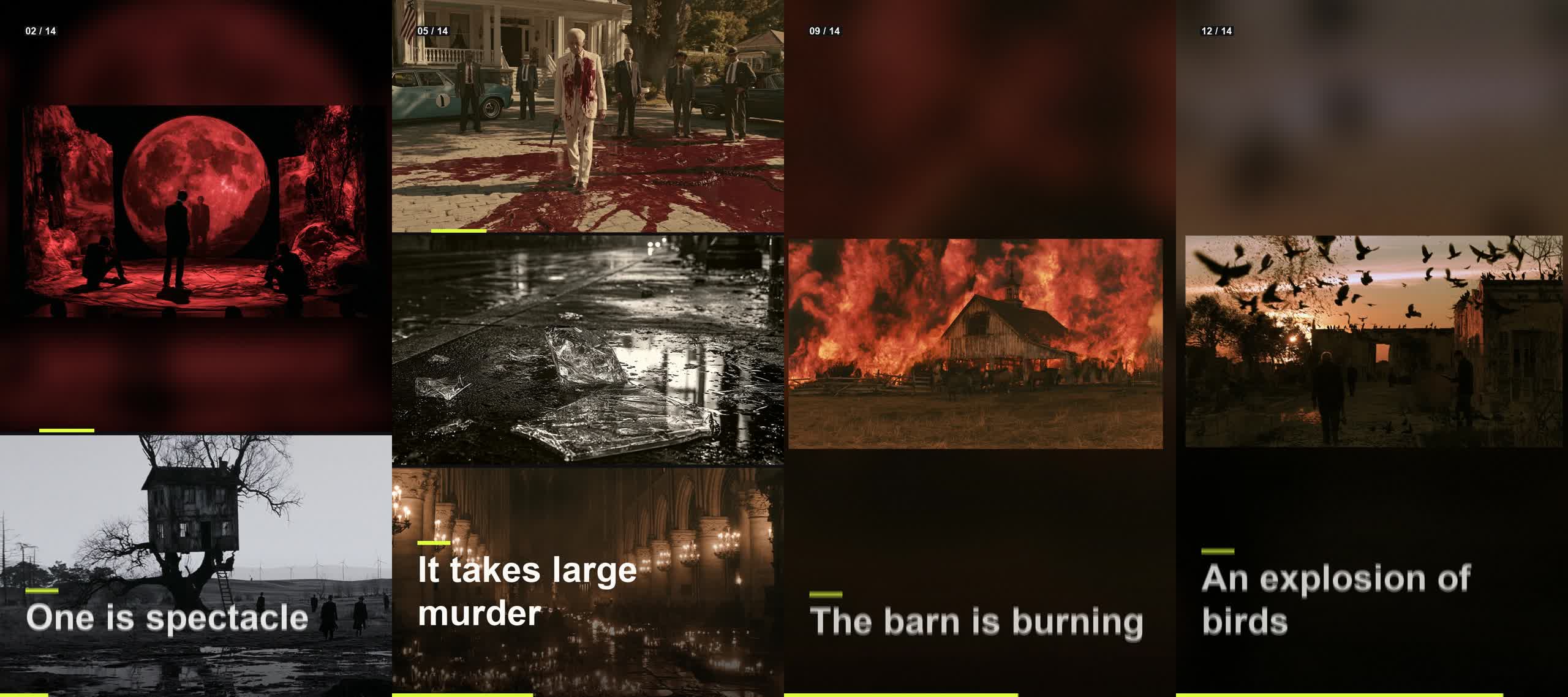
View the showcase: videos, images and workflows
<!-- /MSCH SHOWCASE -->Included nodes
| Node | What it does | |---|---| | marioslideshow | Render a complete photo promo from an uploaded photo collection, folder or IMAGE batch. | | marioslideshow - Load Images | Load or upload an ordered photo collection while preserving each image's original aspect ratio. | | marioslideshow - Extract Frames | Extract a bounded range from the original Slideshow VIDEO output as an IMAGE batch. | | marioslideshow - Beat Analyzer | Analyze a supplied soundtrack for musical beat times, with optional tempo hint and timing offset. | | marioslideshow - Subject Framer | Compute framing guidance for the source photos using detected faces, masks or a manually chosen focal point. | | marioslideshow - Director | Plan photo order, shot durations, scenes, transitions and headlines without rendering frames. | | marioslideshow - Renderer | Render an existing MARIO_PLAN using the source photos, optional framing guidance and soundtrack. |
Installation
Clone into ComfyUI/custom_nodes:
git clone https://github.com/mariobilly/msch-slideshow.git
Open a terminal in the cloned folder and install requirements using the same Python environment as ComfyUI:
python -m pip install -r requirements.txt
Windows portable, from ComfyUI_windows_portable:
.\python_embeded\python.exe -m pip install -r .\ComfyUI\custom_nodes\msch-slideshow\requirements.txt
Restart ComfyUI and refresh the browser. Load a JSON workflow from examples/ and select the supplied demo input or your own media. Keep only one installed copy of each package to avoid duplicate node registrations.
Requirements and behavior
Includes a one-node slideshow renderer and a modular seven-node workflow. Optional beat analysis and advanced subject framing use requirements-advanced.txt. Upload photos in the browser or select a local input folder. Native VIDEO output requires a compatible ComfyUI version. Rendering streams to disk; extracting IMAGE frames allocates a bounded batch.
Install requirements-advanced.txt to enable optional music beat analysis and advanced framing.
Documentation and examples
docs/NODES.md documents every input, default, range, choice and output. examples/README.md explains which inputs and other nodes each workflow needs and how the included results were produced.
ComfyUI Manager
The release includes Comfy Registry metadata and a GitHub publishing action. Version 0.1.0 was uploaded successfully to Comfy Registry under publisher mariobilly on 2026-09-06. Registry reported Pending at verification; Manager installation availability is not yet confirmed. A separate ComfyUI Manager node-list registration has been submitted; listing is pending maintainer acceptance. Git installation works independently. See PUBLISHING.md.
Validation
Imports and input schemas were checked against the local ComfyUI environment with Python 3.12.10, PyTorch 2.10 and CUDA available. Example render coverage is documented per workflow; this is not a claim of compatibility testing on every platform or of full MiniMax H3 model-generation validation.
License
Project code: MIT. Third-party assets and optional model weights keep their own licenses.