
Helm
Training-free activation steering for ComfyUI: read a transformer block's direction between two prompts and inject it with a single strength scalar. Open weights only.
Nodes (7)
Same prompt, same seed, one number changed
Build yourself a slider in two passes
Read all fifty blocks before you pick one
A measurement, not a block picker
22 KB, and it isn't a LoRA
H E L M (comfyui-helm)
A prompt is a switch, not a dial. Helm gives you the dial.
In practice: more fog, less clutter, more cinematic light — one slider, no prompt rewrite.
A ~16–22 KB .safetensors axis. No training. MIT.





See it · Benchmark · What you'll see · Build an axis · All workflows · Experiments (78 axes) · Roadmap
</div>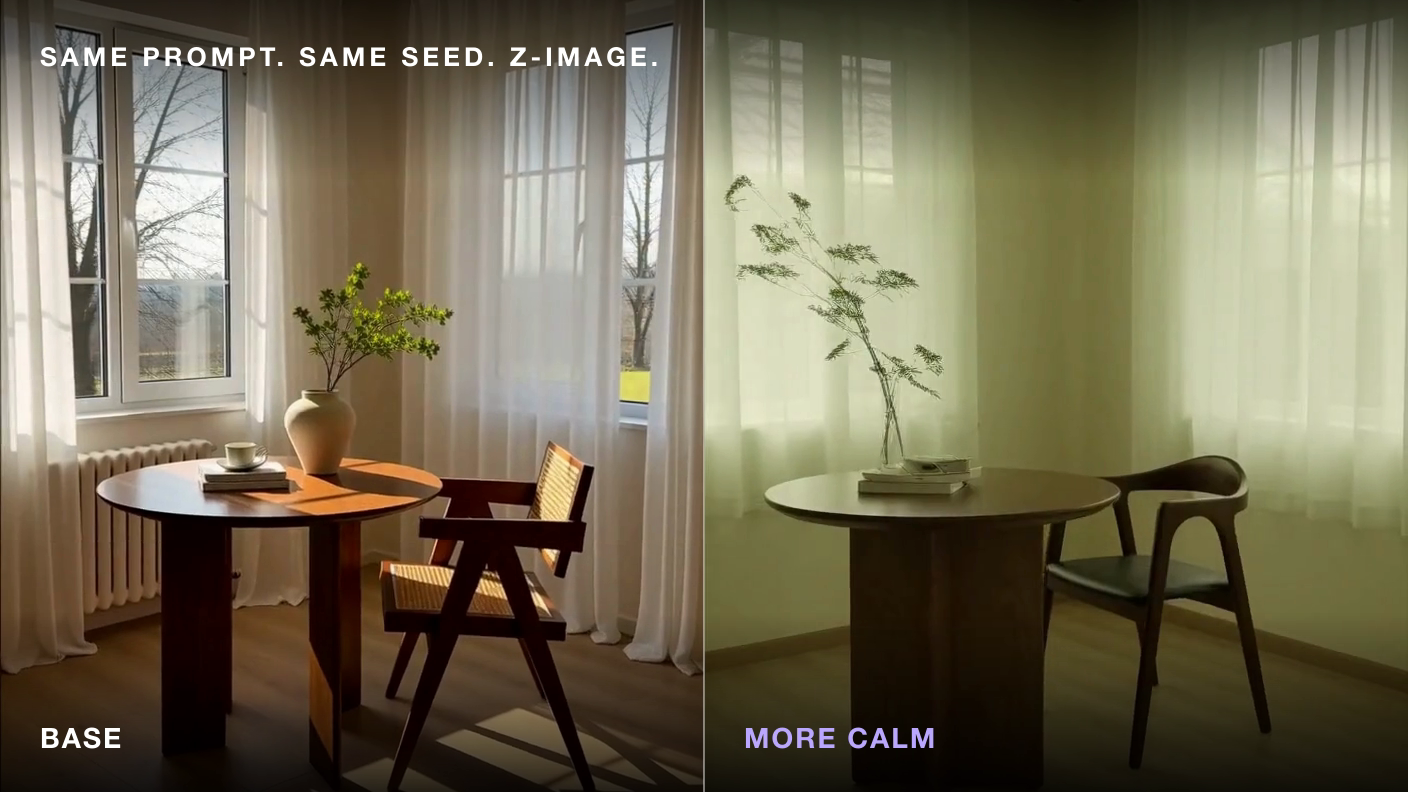 Z-Image, same prompt and seed. Only the Helm dial moved.
Here's the honest version of why this exists. A prompt can't do "a little." Change one word and the whole frame changes; make the prompt longer and it leaks into the scene; mix two prompts together and the room stays packed right up until the moment the scene just flips (there's a fair benchmark for that below). What I wanted was the middle ground: take a direction the model already knows, and dial it in with a single number. Same framing, graded, no training.
Steer what it knows. Train what it doesn't.
That's Helm — training-free activation steering for ComfyUI and the Comfy Developer Platform. You feed it two contrasting passes and it extracts a latent direction into a tiny .safetensors file (the density axis that ships with it is 21,888 B — about 22 KB). Then you steer video and image DiTs with one scalar. Zero training. Zero weight modification. MIT-licensed.
See it
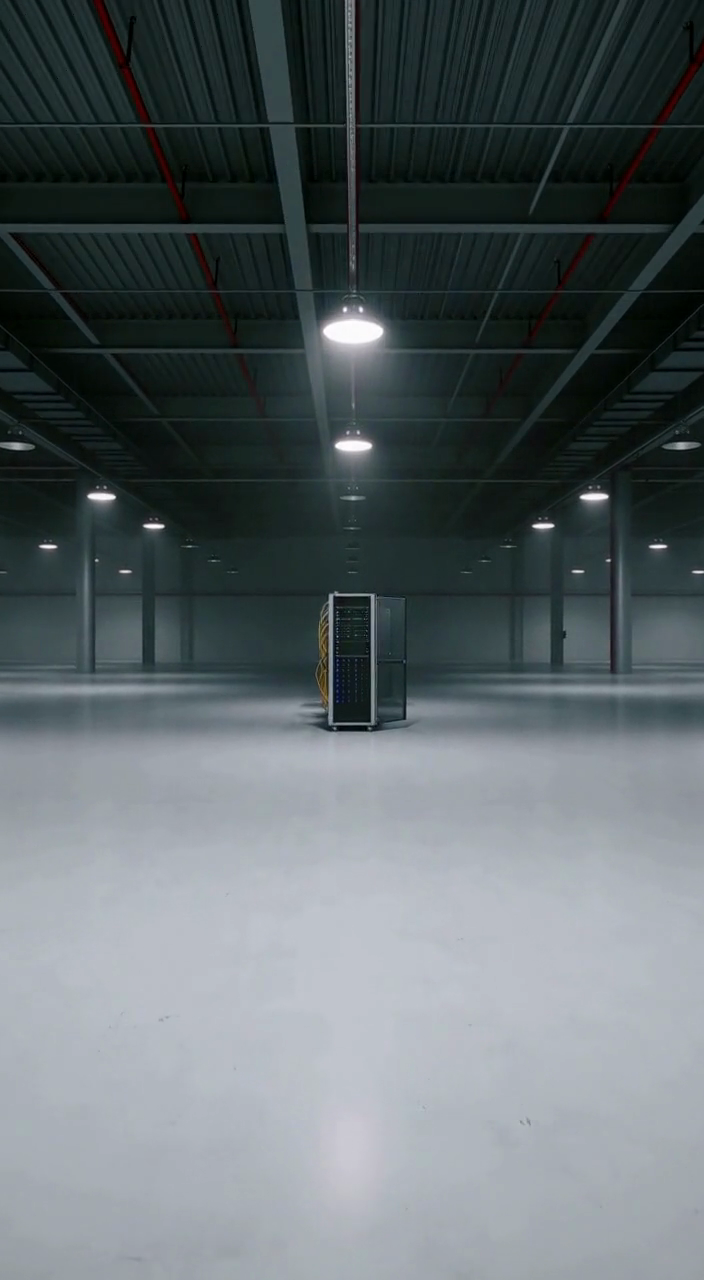
<p align="center"> <a href="https://youtu.be/MxisBKxoDSQ" title="Watch the Helm demo on YouTube"> <img src="docs/images/demo.jpg" alt="Helm demo — same prompt, same seed, one number changed" width="70%"/> </a> </p> <p align="center"> <a href="https://youtu.be/MxisBKxoDSQ"><b>▶ Watch the 47s demo on YouTube</b></a> — same prompt, same seed, one number changed. </p>Move a single slider during sampling and the scene shifts along an internal direction the model already knows. On the measured H3 density pair, the change lands in the content while the room's floor line and ceiling stay put — the caption below is the honest version of that. Identity and lighting preservation are not measured yet; that's in Limitations.
| strength = 0.00 (baseline) | strength = 0.25 (density, block 20) |
| :---: | :---: |
|  |
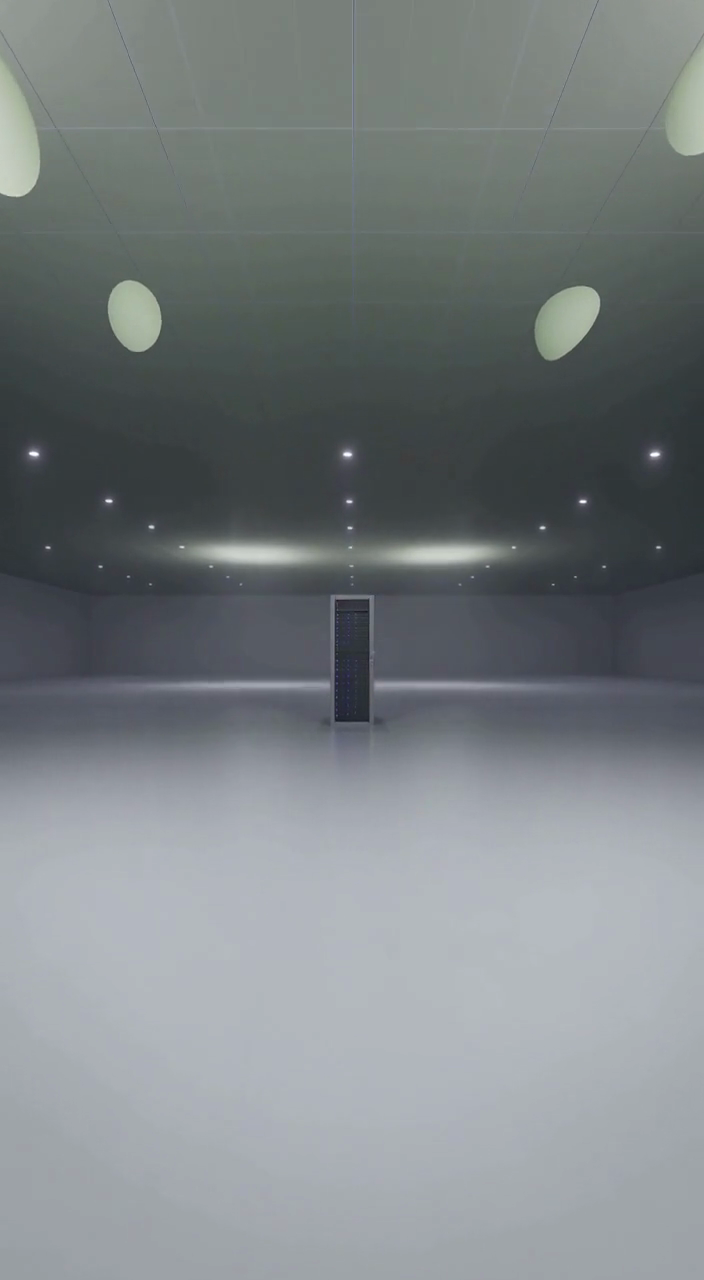 |
| MiniMax H3 (video, 10 s): a corridor of glass server racks. | Same prompt, same seed: the racks leave the room; ceiling and floor geometry hold. |
One axis, any scene
An axis isn't tied to the prompt that created it. Capture a mood or density direction once (about 22 KB or less as a .safetensors file), then dial it into portraits, landscapes, night exteriors, or architectural shots:
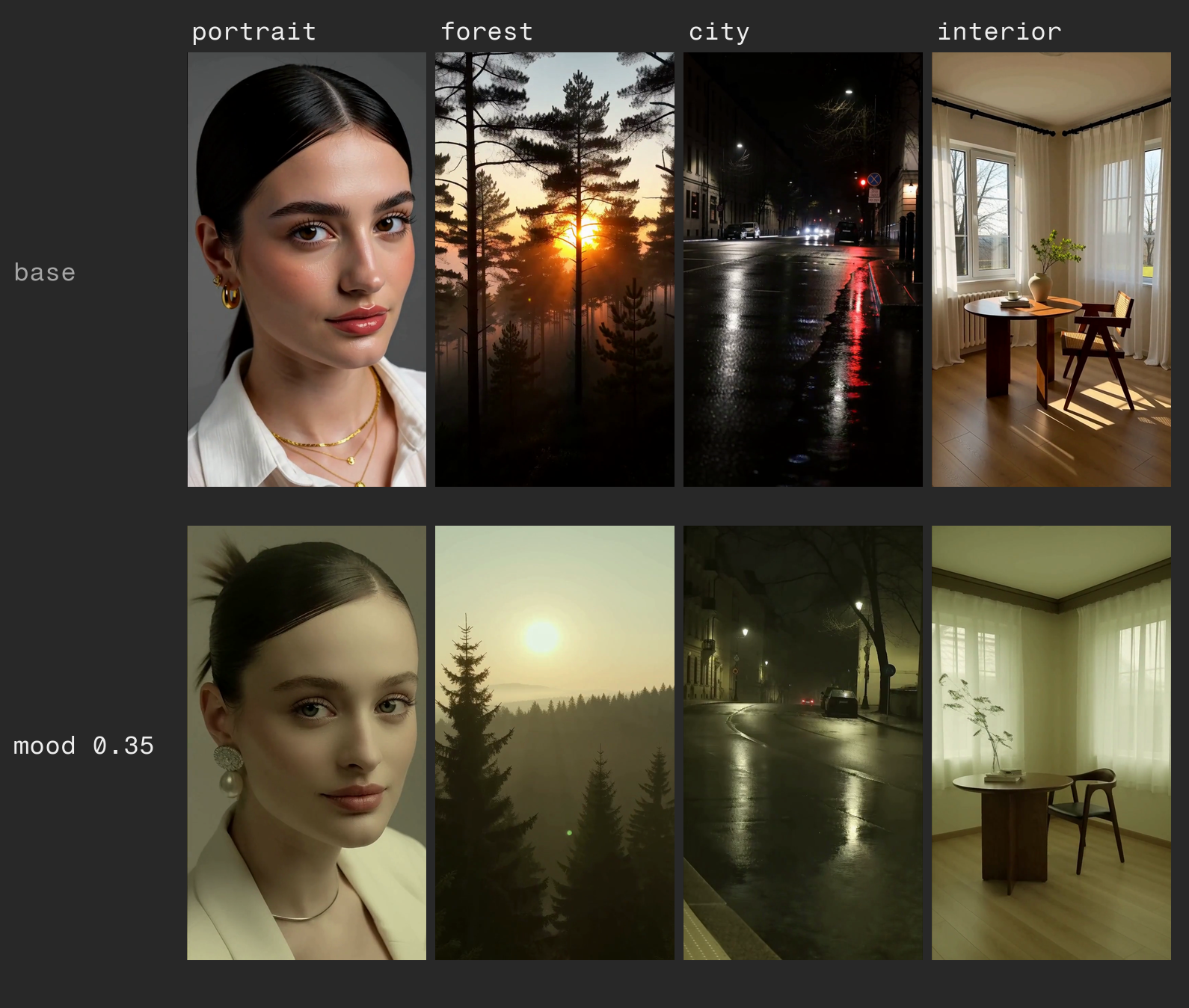 The same axis applied to four different prompts — not a vector transfer test.
The honest benchmark
We tested 78 directions on Z-Image, dosed 55, and labelled 53. Under the pre-registered criterion, 10/53 hold in push; a post-hoc wash ceiling leaves 7/53. 43 wash out.
That is the point. Helm is a measured control, not a magic prompt. Pick a survivor, stay inside its band, and calibrate the wash point for your model.
The fair baseline is prompt mixing (ConditioningAverage), same starting prompt, two seeds. At 0.5 the mix is visually a no-op until it flips the scene; Helm grades the same prompt (luminance 0.317 → 0.472, edge 0.0266 → 0.0209). Different controls, not a slower slider. §E.
Data: zimage-78-axes.json, zimage-dose-response.json, axis-labels.json. Negative results: §F.
Why Helm?
Higgsfield put cinematic look and set controls behind a closed cloud studio. Helm brings deterministic, training-free look & set steering straight into ComfyUI, on open weights:
- A small file, not a LoRA or checkpoint. Show the model two contrasting examples (two prompts or two images). Helm records the difference in the internal transformer activations (
axis = mean_pos - mean_neg) and saves a self-describing.safetensorsfile. - A byte-exact zero point. Set
strength = 0.0and Helm contributes nothing to the sampled state. The model weights are never touched. - Stackable & clamped (a 0 → 1 dial). Chain several
HelmApplynodes (mood → density) on the same model patcher. The built-insafe_maxclamp and a normalized 0.0–1.0 dial keep you inside the verified band. - Engineered for real DiT runtimes. It automatically bypasses MiniMax H3's aimdo per-block memory compiler during hook execution, enforces visual-stream tuple safety on dual-stream architectures, and runs both interactively in ComfyUI and headlessly via the Comfy SDK.
What you'll see
Install, restart ComfyUI, then open Templates -> search helm -> "Helm 1. Start here (Z-Image)". Nothing is hidden in a subgraph. A note in the top-left corner gives the three steps (write your prompt, move Amount, Run). Left to right you get:
- Your prompt (green box): write what you want.
- The Dial (orange box): pick an idea from the menu (for example Light angle (raking)) and move Amount from 0 to 1. 0 is off; 1 is the strongest setting that still looks right for that idea. A line under the slider says what it is doing ("Light angle (raking) at 60%").
- Result: Before | After: one Run renders your prompt twice with the same seed, once with the Dial off and once with your Amount, side by side.
The models sit in a grey group (collapsed to one line each, leave them as they are). Why the templates look like this: docs/UX-NOTES.md.
That is the whole product: one slider moves one idea, and your prompt is never rewritten. The first template needs Z-Image (consumer GPU, core ComfyUI nodes only).
comfy node install comfyui-helm
Or clone into ComfyUI/custom_nodes and restart ComfyUI.
The other two starters: "Helm 2. Video (MiniMax H3)" is the same Dial on MiniMax H3 video (core nodes; needs a ComfyUI recent enough to ship the H3 nodes, checked on 0.43.2; the int8 UNet does not fit in 24 GB). "Helm 3. Make your own axis" shows Helm · Make Axis: type the idea twice (with it, without it), press Run, and the new axis is saved and dialed straight away.
The Essentials in the Dial menu are only axes that hold up in this repo's own benchmark (the honest benchmark, docs/EXPERIMENTS.md). Essentials are listed by how visible the change is: corridor orientation, aisle width, overcast to direct sun, light angle (raking) (all Z-Image), then less clutter (Z-Image and MiniMax H3). A second section, Subtle, holds three axes that hold in the benchmark but show little visible change in our renders: surface reflections, volumetric light beams, motion blur. Anything you make or drop in appears under Custom and is not benchmarked.
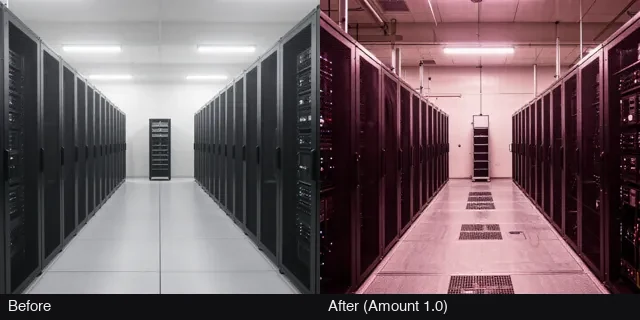
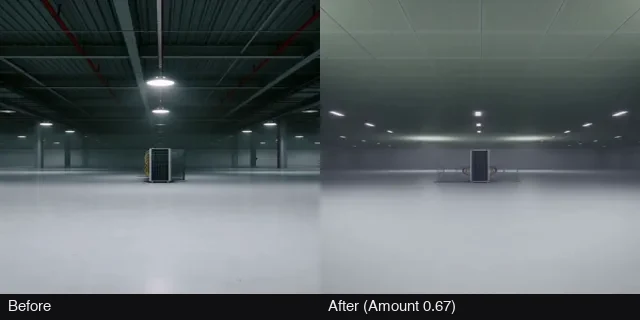
Real before/after for the Essentials that have a clear pair (same prompt and seed, "Before" is Amount 0 and "After" is Amount 1.0, or 0.67 for the H3 pair; the technical numbers and sources are in docs/AXES.md):
| Dial name | Before (left) and After (right) |
| :--- | :--- |
| Light angle (raking) | 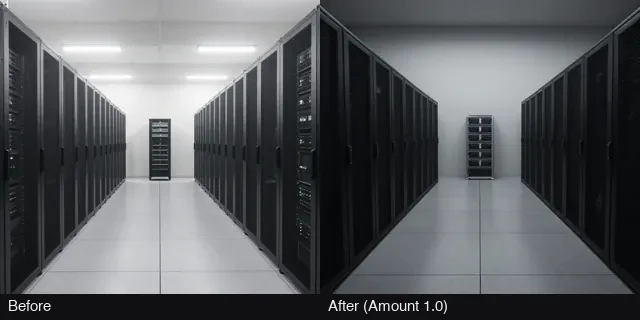 |
| Overcast ↔ direct sun |
 |
| Aisle width |
 |
| Corridor orientation |
 |
| Less clutter (MiniMax H3) |
 |
The Subtle axes and the Z-Image "less clutter" axis have no clear real pair within their safe range, so they have no thumbnail.
Build your own axis in 60 seconds
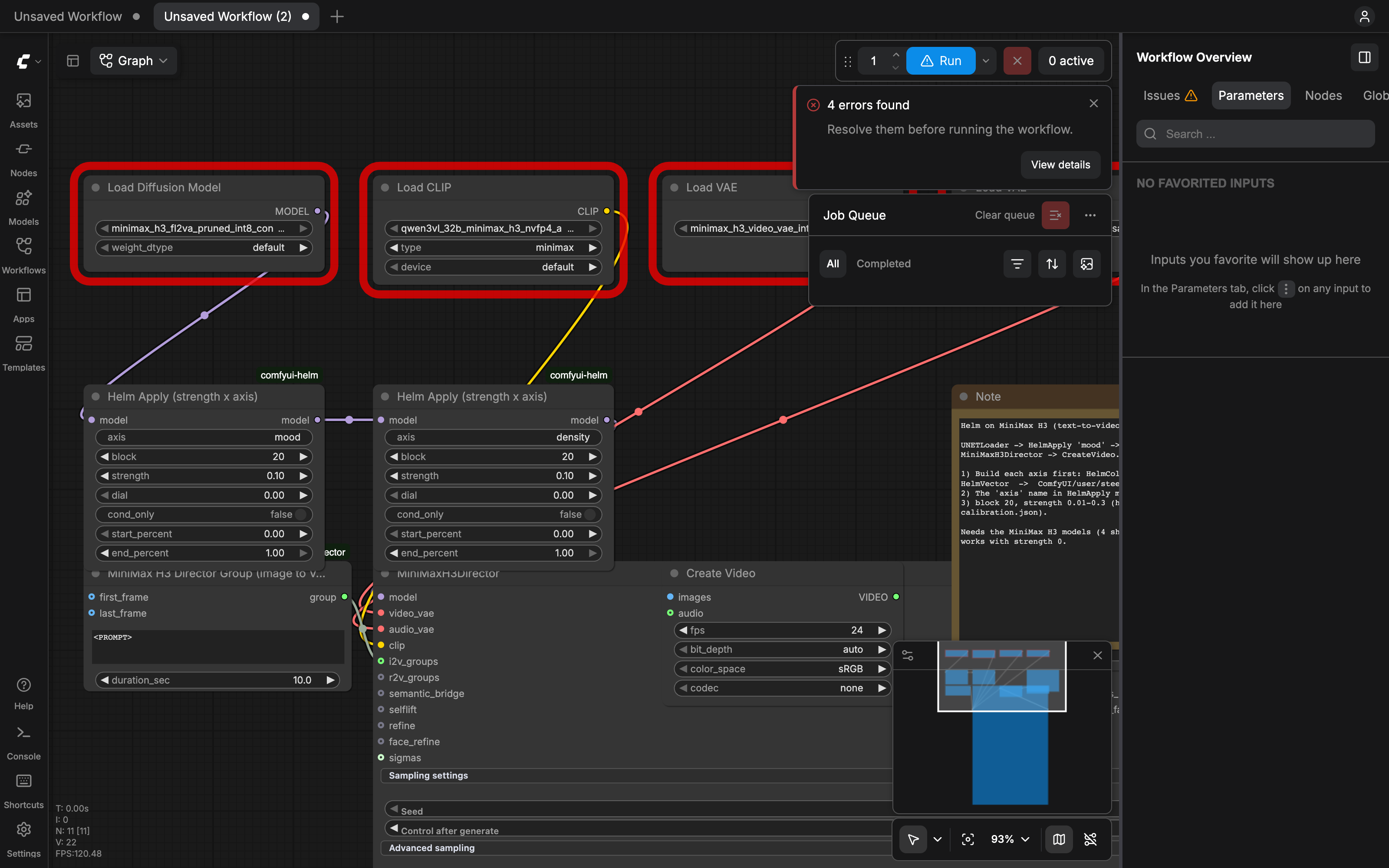
Open "Helm 3. Make your own axis", type two prompts (with the idea, without the idea; change only the idea) and press Run. Helm · Make Axis runs both contrast passes in one execution, saves the axis to ComfyUI/user/steer/, and the Dial picks it up. Its safe range is an estimate (0.5% of the activation norm), not a measurement: trust the Before | After picture.
The manual route still exists under Helm/Lab: Record activations (run twice) → Build axis from two recordings (HelmCollect(tag=pos) + HelmCollect(tag=neg) → HelmVector). Point Apply axis (manual strength) (HelmApply) at the result. block=-1 reads the block from the file header; safe_max keeps the dial inside the measured band. No training, no adapter, no checkpoint.
Download the 10-axis pack: example_axes/. Hashes and provenance: docs/AXES.md.
z_room_density.safetensors— Z-Image, block 15, dim 3840,safe_max 0.25mood.safetensors— MiniMax H3, block 20, dim 5376density.safetensors— MiniMax H3, block 20, dim 5376- Seven more Z-Image axes (block 15, dim 3840) that hold in the benchmark: light angle (raking), volumetric light beams, overcast to direct sun, surface reflections, motion blur, aisle width, corridor orientation.
The H3 axes are ~22 KB; the Z-Image axis is ~16 KB. Point HelmApply at any of them.
All workflows
Prebuilt axes ship inside example_axes/ and resolve automatically on a fresh clone. The H3 axes (mood.safetensors, density.safetensors) were captured on MiniMax H3 (block 20, dim 5376); the Z-Image axis (z_room_density.safetensors) is block 15, dim 3840.
Open ComfyUI's Templates browser and search helm, or drag a workflow from example_workflows/ onto the canvas.
Starter templates (the template browser lists exactly these three; ComfyUI shows the file name as the title and <file name>.jpg as the thumbnail):
| Template | Model | What it does | | :--- | :--- | :--- | | Helm 1. Start here (Z-Image) | Z-Image | Dial + Before | After. Core ComfyUI nodes only; consumer GPU. | | Helm 2. Video (MiniMax H3) | MiniMax H3 (video) | The same Dial on video; renders Before and After. Needs the H3 UNet (~21 GB int8, not for 24 GB) + Qwen3-VL 32B text encoder. | | Helm 3. Make your own axis | Z-Image | Make Axis -> Dial. Image models with plain text prompts. |
Older templates (example_workflows/legacy/, kept so old links still load; notes rewritten in plain language):
| Workflow | Model | What it does |
| :--- | :--- | :--- |
| h3_t2v_helm.json | MiniMax H3 (video) | Two stacked manual controls (mood, density); needs the third-party MiniMaxH3Director node. |
| h3_i2v_helm.json | MiniMax H3 (I2V) | Image-to-video; the Helm control lives inside the grouped node. |
| krea2_helm.json | Krea2 | One manual Apply axis. (Build a Krea2 axis first; template wired, not yet execution-validated.) |
| krea2_helm_collect.json | Krea2 | Manual two-pass recording to build an axis. (Not yet execution-validated.) |
| krea2_helm_image_axis.json | Krea2 (Img2Img) | An axis defined by two images. (Not yet execution-validated.) |
| krea2_turbo_helm.json | Krea-2 Turbo | Helm control inside the grouped node. (No axis shipped.) |
| helm_vector.json | model-agnostic | Build axis from two recordings -> PreviewAny. |
| ltx_t2v_helm.json | LTX-2.3 (video) | Helm control inside the grouped node. (tested: false.) |
| api/h3_t2v_helm_api.json | Comfy SDK / API | API-format workflow driven by app/run_helm.py. |
Measured with Helm: MiniMax H3 t2v (mood, density) and Z-Image. The models used for generation elsewhere (Krea 2 stills, Qwen Image Edit, LTX/Flux tests) are not Helm-measured: Krea 2 templates are wired without a calibration entry, LTX ships tested: false, Qwen-Image/SD3 are refused by the tuple guard until declared/measured, and Flux is declared but has no dose. No Helm claim rests on them.
How It Works
The node suite
| Node (display name) | Class | Category | For |
| :--- | :--- | :--- | :--- |
| Helm · Dial | HelmDial | Helm | Everyday control: pick an idea by name, move Amount 0-1. |
| Helm · Make Axis | HelmMakeAxis | Helm | Two prompts in, a new axis out (both passes in one run). |
| Helm Lab · Record activations | HelmCollect | Helm/Lab | Record what the model does for one prompt. |
| Helm Lab · Build axis from two recordings | HelmVector | Helm/Lab | Subtract two recordings into an axis file. |
| Helm Lab · Apply axis (manual strength) | HelmApply | Helm/Lab | Inject an axis with an explicit strength, block and mode. |
| Helm Lab · Probe every block | HelmProbe | Helm/Lab | Onboard a new model: record every block. |
| Helm Lab · Probe report | HelmProbeReport | Helm/Lab | Rank blocks by prompt separation. |
Class names are unchanged from 0.3.x, so saved workflows still load; only the menu location and display names changed.
-
HelmDial(MODEL → MODEL):axisis a menu of human names: Essentials (axes this repo's benchmark shows hold, ordered by visible impact; listed only when the axis file is on disk; catalog inaxes_catalog.json), Subtle (hold, but little visible change) then Custom (everything else, including axes made by Make Axis).amountmaps 0 →safe_maxrecorded in the axis header (falling back to the catalog's highest tested strength); it never extrapolates. Delegates toHelmApply, so the hook is the same code. Refuses, in plain words, an axis made for another model. Optionalaxis_fromtakes theaxisoutput of Make Axis. -
HelmMakeAxis(MODEL + CLIP + LATENT → MODEL, STRING): encodes the two prompts, runs two short renders through ComfyUI's own sampler with the same hook machinery asHelmCollect, subtracts the means (same arithmetic asHelmVector), and saves a self-describing axis with an estimated conservativesafe_max(0.5% of the activation norm; stored withsafe_max_source, never presented as verified). Works with models that take plain text conditioning (Z-Image today); for H3 build axes with the Lab nodes. -
HelmCollect(MODEL → MODEL): hooksdiffusion_model.<blocks>[K], accumulates the mean activation across sampling steps, and writesComfyUI/user/steer/<tag>.safetensorsonce per run. Includescond_onlyto isolate conditional batch items. -
HelmVector(tags → STRING): computesaxis = mean_pos - mean_negand saves a self-describing.safetensorsaxis with its dim, block, model, module, norm, and optionalsafe_maxembedded in the header. -
HelmApply(MODEL → MODEL): injectsx + strength * axisat block K during sampling.block = -1adopts the block recorded in the header; the dial (0.0–1.0) scales insidesafe_max; the node'saxis librarypicker is populated from/helm/axes; an axis withoutsafe_maxlogs a warning and runs unclamped;start_percent/end_percentwindow the injection; chained nodes compose. Optional:mode—push(the published one),norm(rescale each token to its original norm), orclamp(move the projection inside aclamp_k·‖x‖budget); plusmask+layout(h_w,t_h_w,h_w_t) +grid(H,W[,T]) +mask_offset(the leading packed rows to skip) for a regional application.mask_offsetis required when the model packs extra rows before the visual tokens: Z-Image has 32 rows before its 4096 spatial tokens (grid=64,64,mask_offset=32), and H3 packs[text|cond|audio|video], so the offset is the row count before the video slice. The mask is refused unlessmask_offset + gridtokens == block sequence. Every run logs the block shape once ([helm] shape debug: ...) so the token layout is discovered, never guessed. -
HelmProbe(MODEL → MODEL): profiles an uncalibrated model by recording activations across every transformer block simultaneously in one pass. Run it twice — tagprobe_poswith the first prompt,probe_negwith the contrasting one — then feed both tags toHelmProbeReport. -
HelmProbeReport(tags → INT): a per-block separation ranking; writesComfyUI/user/steer/probe_report.jsonand outputs the middle-band peak block as a starting point for calibration — a measurement, not a validated block picker.
Run as an app via the Comfy SDK
app/run_helm.py drives Helm workflows programmatically through the Comfy Developer Platform (comfy-sdk). The same command runs against a local ComfyUI instance (behind comfy-api-proxy) or your own hosted/serverless deployment — only COMFY_BASE_URL (and an API key) change. It does not run on Comfy Cloud: Cloud doesn't allow installing custom nodes, so Helm can't be present there.
pip install comfy-sdk comfy-api-proxy
comfy-api-proxy                                   # Serves Comfy API v2 on 127.0.0.1:8189 in front of ComfyUI :8188
export COMFY_BASE_URL=http://127.0.0.1:8189

python app/run_helm.py --list                     # Inspect available Helm sliders in the workflow
python app/run_helm.py --set mood=0.15 --set density=0.25 --out out
Your own hosted / serverless deployment:
export COMFY_BASE_URL=https://<deployment>.run.comfy.app
export COMFY_API_KEY=comfyui-...
python app/run_helm.py --workflow api/h3_t2v_helm_api.json --strength 0.2 --out out
Per-node control: --workflow selects the graph (default api/h3_t2v_helm_api.json), --strength is the global default, --axis overrides axis names, and a repeatable --set AXIS=STRENGTH targets individual HelmApply nodes; --list prints every node in graph order.
Prior art & what's new here
Activation steering for diffusion is not new, and I'd rather say so than pretend otherwise:
- CASteer (Gaintseva et al., ICLR 2026, arXiv:2503.09630) — training-free steering vectors built by averaging cross-attention activations, for concept erasure in image diffusion.
- Concept Sliders (Gandikota et al., ECCV 2024, arXiv:2311.12092) — interpretable sliders, but each one is a trained LoRA adaptor.
What Helm adds is deliberately narrow and testable: no training and no adapter (a ~22 KB safetensors direction built from two passes at inference time), on a video DiT (MiniMax H3, not an image UNet), inside ComfyUI as a node pack with per-block calibration, a safe_max clamp, and self-describing axes — plus published negative results (the 78-axis sweep and the refuted predictor). I ran that comparison with a fair design (both methods from the same starting prompt) — see §4 and docs/EXPERIMENTS.md §E. The mix is a scene switch; Helm is a graded change at the same framing.
Measured science (not vibes)
In one line: 78 captured, 55 dosed, 53 labelled; 10/53 hold under the pre-registered criterion and 7/53 with the post-hoc ceiling — the "7–10 of 53" from the video.
1. Monotonic dose-response & seed replication
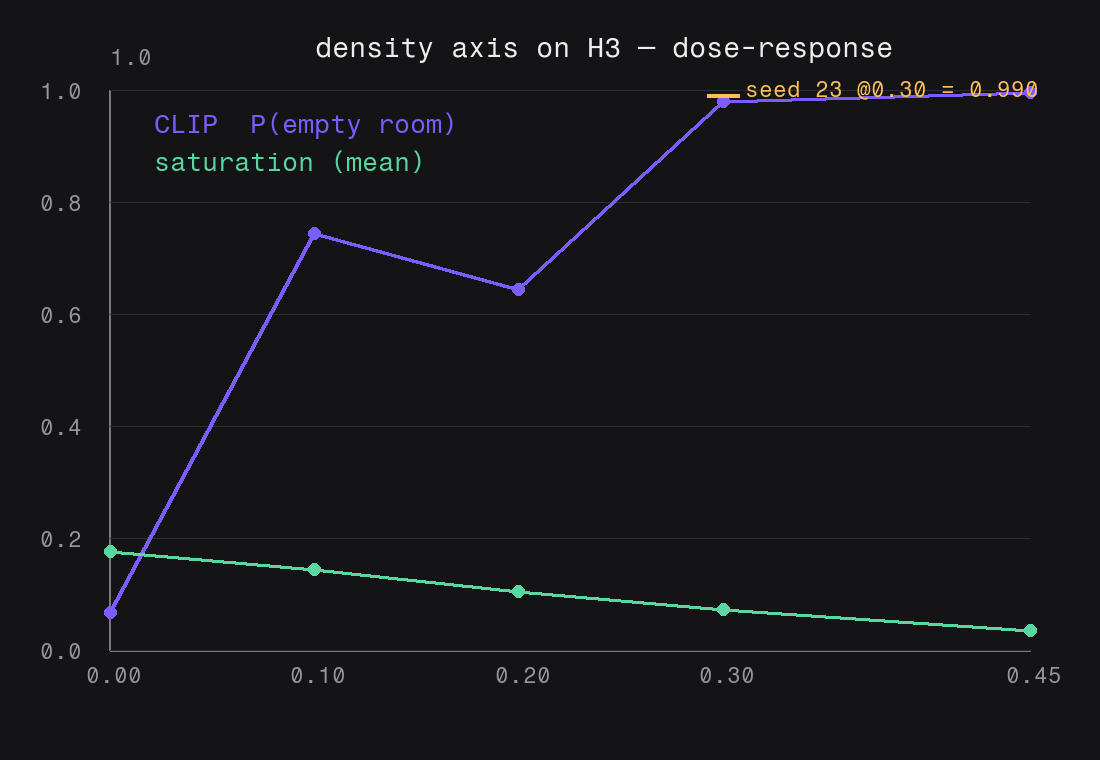
On MiniMax H3 (block 20, dim 5376), sweeping the density axis moves CLIP P(empty room) from 0.067 → 0.980 by strength 0.30, with edge density falling 0.007 → 0.003 — saturation and edge density fall monotonically while the CLIP score climbs, and the effect reproduces across seeds (seed 23 at 0.30 reads 0.990 vs seed 11's 0.980). The full table, with the honest caveats about the CLIP probe's high-strength confound, is in docs/EXPERIMENTS.md §A.
2. Direction vs. magnitude control (orthogonality check)
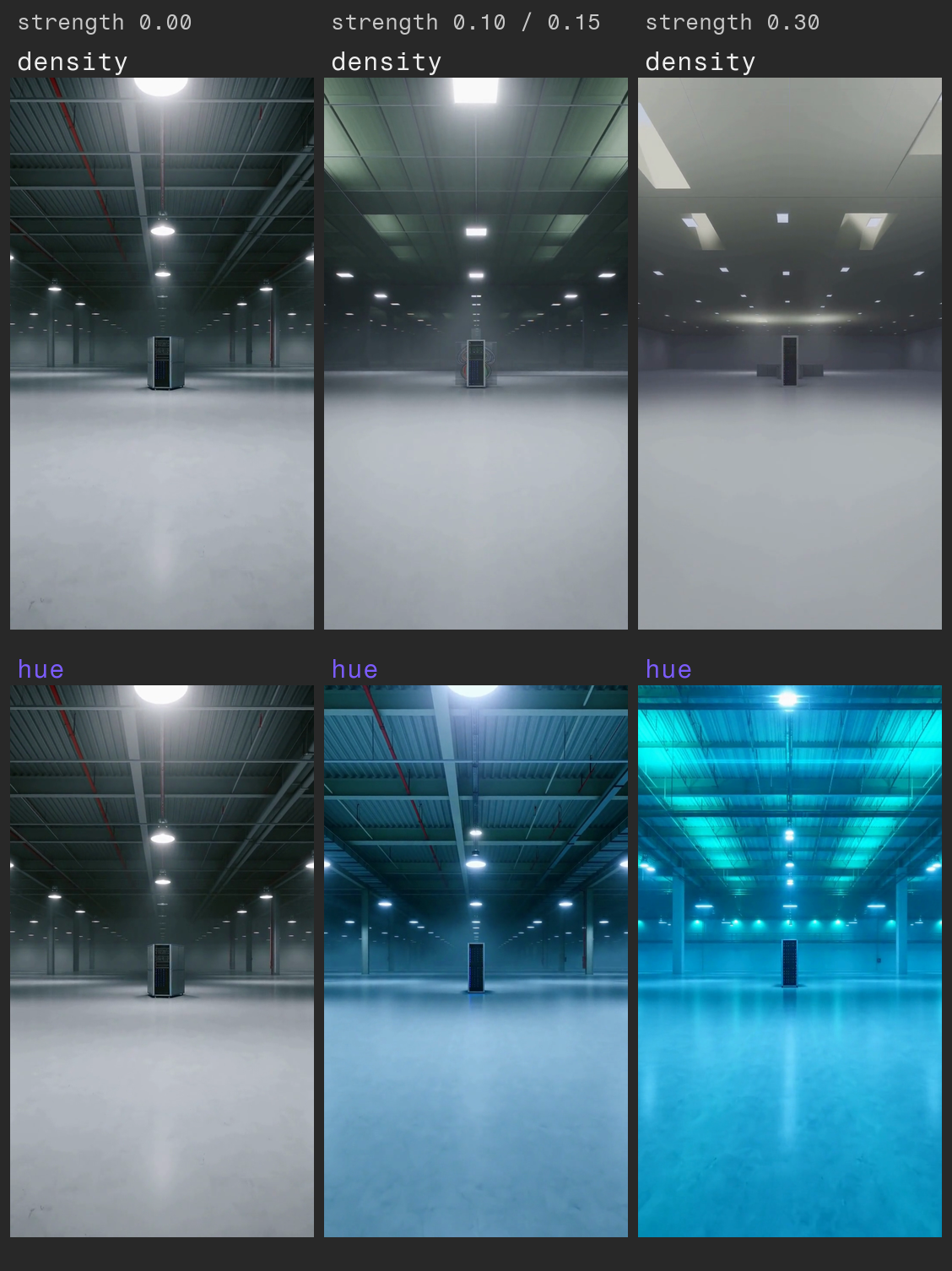
At the same strength = 0.30, the density axis drains saturation (HSV sat 0.073) while a hue-only axis — same composition, differing only in hue — inflates it (0.917) and preserves edges (edge density 0.009 vs 0.003). The two directions push different, specific properties: the effect is directional, not a generic magnitude wash. docs/EXPERIMENTS.md §B.
3. Cross-architecture reproduction & the 78-axis stress test
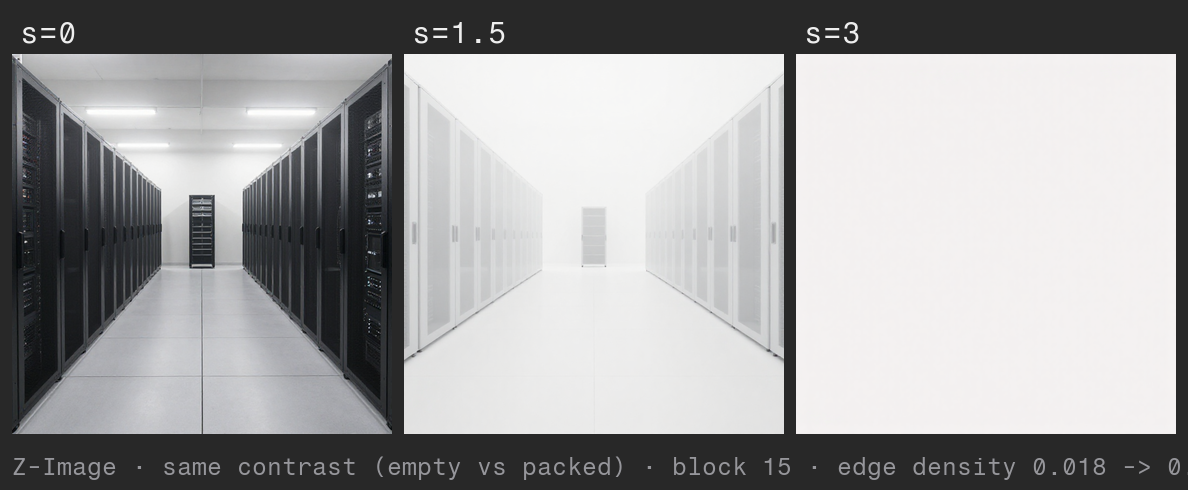
The same contrast in a second architecture (Z-Image / Lumina2, layers 9–21 of 30): the identical empty-vs-packed contrast reproduces monotonic content removal — edge density 0.018 → 0.001. A "density" direction isn't unique to H3's architecture; this is a same-effect result in two models, not vector transfer. docs/EXPERIMENTS.md §C.
78 directions measured on Z-Image — and killing our own predictor. Of 78 captured directions, 55 were dosed and 53 labelled. Under the pre-registered criterion, 10 of 53 hold in push (43 wash, 2 unmeasured); a post-hoc ceiling (saturation ≤ 0.5 and edge ≤ 2× baseline) leaves 7 of 53. The earlier "1 in 3" was a coarse summary and is superseded by the 2026-10-19 labels. The lowest survivor sits at 0.31 cosine alignment while a washed-out axis sits at 0.94 (cosine, not a separation score). At n=23 axes, cosine alignment with the mean activation appeared to predict usable axes perfectly. I scaled the test to n=78, watched the separation collapse, and killed the predictor hypothesis rather than ship a false filter — the numbers stay, the story goes. The table is in the repo: zimage-78-axes.json (one row per axis: norm, cosine, and whether it was dosed) and zimage-dose-response.json (163 dose points covering 55 of the 78 — the other 23 remain unmeasured).
4. Not a prompt mixer (measured, fair design)
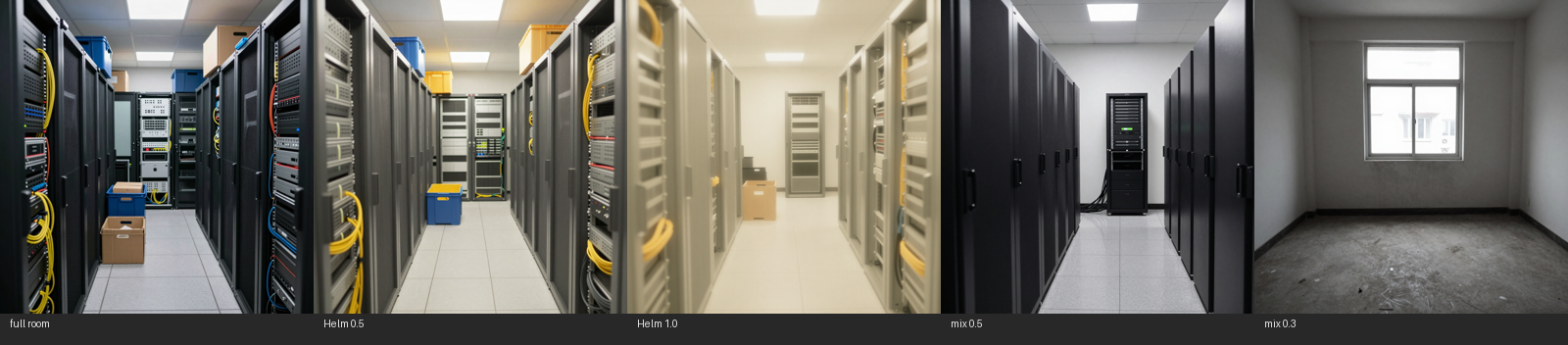
Both methods start from the same full-room prompt and move toward empty (Z-Image-Turbo, block 15, seed 11; seed 23 replicates). At 0.5, Helm keeps the framing and grades it (luminance 0.317 → 0.472, edge 0.0266 → 0.0209); ConditioningAverage between 0.9 and 0.7 is visually a no-op and only flips the scene at 0.3 (P(empty) 0.998). The mix replaces the scene; Helm is a graded control at the same prompt. Full table and caveats: docs/EXPERIMENTS.md §E; raw numbers: bench2-vs-prompt-mix.json.
Calibration table (calibration.json)
| Model | Module | Blocks | Hidden dim | Default block | Verified block band | Model-level strength* | Axis norm |
| --- | --- | --- | --- | --- | --- | --- | --- |
| MiniMax H3 | blocks | 50 | 5376 | 20 | 15–35 | 0.01–0.30 | ~3000–4000 |
| Z-Image / Lumina2 | layers | 30 | 3840 | 15 | 9–21 | 0.50–3.00* | ~19 |
| LTX-2.3 | transformer_blocks | — | — | 20 | — | — | — |
* The Z-Image model-level band comes from the green-magenta axis. The shipped z_room_density axis records safe_max: 0.25 (its wash is visible at 0.5), and the shipped H3 axes record safe_max: 0.3; a per-axis safe_max always wins. HelmApply clamps any strength past it. LTX-2.3 ships flag-wrapped defaults with tested: false — the transformer_blocks module is wired, and the numbers are placeholders pending a sweep. Axis scale is model-specific; confirm every model with 1–2 renders. And the Z-Image band is not a law: check the wash onset per axis.
Study layer
The derived study — normalised CSVs, nine charts, the 55-axis atlas, and the negative-results note — lives in study/. It turns the JSON in docs/data/ into tables and a browsable atlas, and keeps the failures right next to the survivors. Rebuild with make -C study; the source of truth stays docs/EXPERIMENTS.md and docs/data/.
Limitations
I'd rather list what this doesn't do than leave you to guess:
- Two models measured with Helm. H3 (t2v) and Z-Image — that's where an axis, a band, and a dose were actually measured. The models used elsewhere are not Helm-measured: Krea 2 (templates wired, no calibration entry), LTX-2.3 (
tested: false), Flux (tuple slot declared, no dose), Qwen-Image/SD3 (tuple(txt, img)refused until declared/measured). No Helm claim rests on them. - The axes are low-level directions, not concepts. Pushed far enough they wash the frame out; the wash is the signature of leaving the model's manifold, not a feature.
- One baseline measured. Helm vs prompt-only (
ConditioningAverage) is measured in §4 /docs/EXPERIMENTS.md§E (one model, one contrast pair, two seeds). A LoRA baseline is not measured. - The pre-registered criterion has no upper bound on saturation or edge density. A post-hoc ceiling (saturation ≤ 0.5, edge ≤ 2× baseline) leaves 7/53
pushholds; the 3 primary survivors it excludes are the saturated/specular axes at their top dose (z_saturated_vs_muted_stock,z_specular_reflection_density,z_specular_reflection_intensity). The primary labels are unchanged;strict_pushis indocs/data/axis-labels.json. - Norm-preserving and projection-clamping did not help (measured). On the 55-axis bench with a pre-registered criterion,
pushholds 10/53 axes,norm1/53 andclamp2/53: both alternatives collapse luminance instead of removing the wash. The step window is a partial mitigation, not a fix. Details:docs/EXPERIMENTS.md§F. - What's measured is content and geometry proxies (CLIP empty-room score, saturation, edge density) on one contrast pair per model. Subject identity, camera movement and lighting are not measured.
- Regional masks localize the injection, not the visible effect. The delta is zero outside the mask (unit-tested), but attention propagates the edit: in the 2026-10-19 Z-Image demos >98% of outside pixels still moved (inside/outside mean |difference| ratio 1.4–1.7). Don't read
maskas spatial containment. - Axis scale is model-specific. The H3 wash-out onset (~0.45 at axis norm ~3000) isn't comparable to the Z-Image band (norm ~19), which is why the calibration table lists them separately.
- Custom nodes only. Comfy Cloud doesn't install custom nodes, so Helm runs on local or self-hosted ComfyUI.
- A shipped artifact has broken once. Commit
3003fc8replacedexample_axes/mood.safetensorswith a 6-value unit-test stub (the H3 template then failed on a dimension mismatch). It's restored,tests/test_example_axes.pynow validates every shipped axis, andtests/conftest.pyfails the suite if anything writes intoexample_axes/.
Architecture & stream map
Where HelmApply injects into a block's output changes by architecture — some blocks return plain tensors, some return tuples where the element order isn't standard:
| Architecture | Block attribute | Block output | Visual stream slot | Status in Helm |
| --- | --- | --- | --- | --- |
| MiniMax H3 | blocks | Tensor (packed sequence) | — | Calibrated & verified |
| Z-Image / Lumina2 | layers | Tensor | — | Calibrated & verified |
| LTX-2.3 | transformer_blocks | Tensor | — | Hook ready (tested: false) |
| Flux (DoubleStreamBlock) | double_blocks | Tuple (img, txt) | Element 0 | Declared in _TUPLE_VISUAL_BY_CLASS |
| SD3 | joint_blocks | Tuple (txt, img) | Element 1 | Refused until measured |
| Qwen-Image | transformer_blocks | Tuple (txt, img) | Element 1 | Refused until measured |
Zero silent guessing: an undeclared tuple block raises an explicit RuntimeError naming the class, rather than steering the text conditioning (SD3 and Qwen-Image would do exactly that if guessed as out[0]). _BLOCK_ATTRS and _TUPLE_VISUAL_BY_CLASS in nodes.py are where an architecture gets declared; the refusal error lists every block attribute actually present on the module.
Engineering notes & hardening
- Self-contained
.safetensorsaxes (no pickle). Header metadata (dim, block, model, module, norm,safe_max); the legacy.ptread path is kept for 0.2.0 axes and loads strictly withweights_only=True. - Resolution order without metadata shadowing.
user/steer→models/steer→example_axes/(preferring.safetensorsover a legacy.ptin the same directory); metadata comes strictly from the axis's own.safetensorsheader or sidecar, so a bundled axis never shadows a user's file. A missing axis raises aFileNotFoundErrorlisting every directory searched. - MiniMax H3 aimdo bypass.
aimdo_enabled = Falsestrictly for the wrapped call, restored in thefinallyblock along with hook removal. - 178 automated tests (one optional check needs a ComfyUI checkout) — silent-failure modes pinned; the full defect log is
docs/HARDENING.md.
curl -s http://127.0.0.1:8188/object_info | grep -o 'Helm[A-Za-z]*' | sort -u
# HelmApply
# HelmCollect
# HelmProbe
# HelmProbeReport
# HelmVector
Licensing & credits
| Component | License | | --- | --- | | comfyui-helm (nodes, SDK runner, example workflows, prebuilt axes) | MIT License | | Model weights (H3, Z-Image, LTX, Krea2, Flux) | Governed by their respective licenses; no weights bundled |
Built by [ U N B R A N D E D ] for the ComfyUI community.
Related (public)
comfy-api-graphs— a zero-dependency Python helper to load, mutate, and validate ComfyUI API-format graphs.
About — Training-free activation steering for ComfyUI: read a transformer block's direction between two prompts and inject it with a single strength scalar. Open weights only.
www.kafein.agency/unbranded/helm