
Krea 2 Reference
Reference images for Krea 2 via native Qwen3-VL vision tokens: character and style transfer with the companion reference LoRA (layered loader included).
Nodes (2)
ComfyUI-Krea2-Reference
Reference images for Krea 2 in ComfyUI — ChatGPT-style: "the character from Picture 1, in the exact art style of Picture 2". Character and style transfer through native vision tokens, not img2img.
Krea 2's text encoder is Qwen3-VL-4B, a vision-language model. This node
interleaves your reference images into the prompt as native vision tokens
(Picture N:), so the DiT reads character/style information from the same
hidden states it was trained on. Paired with the reference LoRA (below),
the model follows the scene text instead of collaging the reference.
Examples
Everything below was generated by Krea 2 itself (Turbo, 8 steps, cfg 1.0).
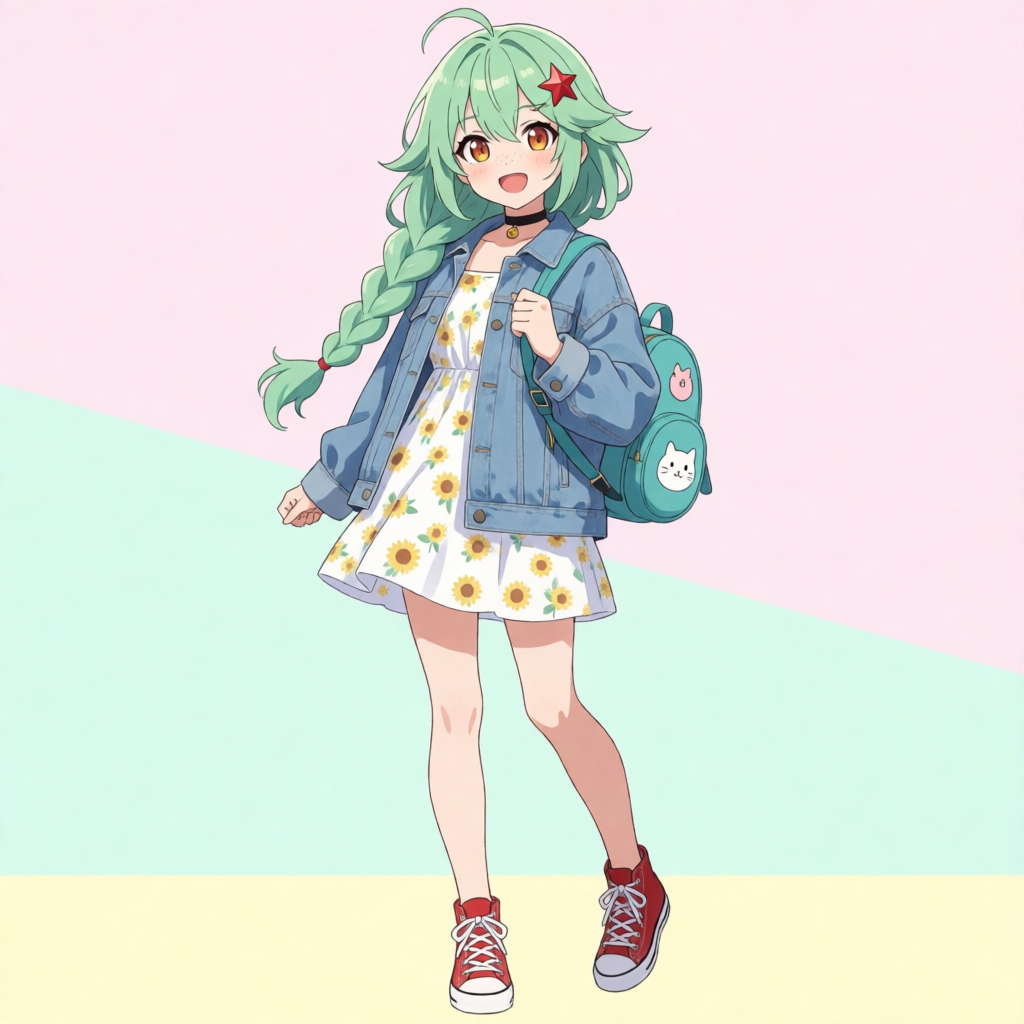
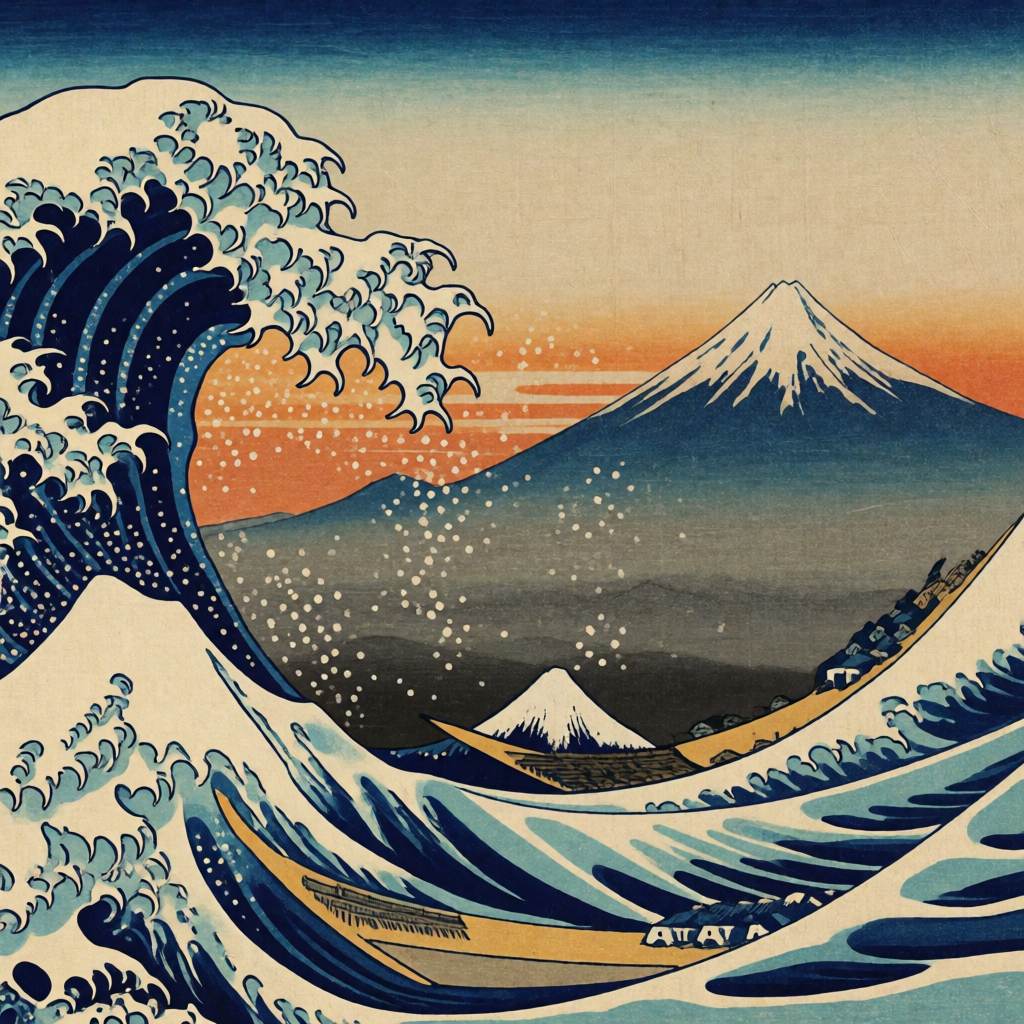
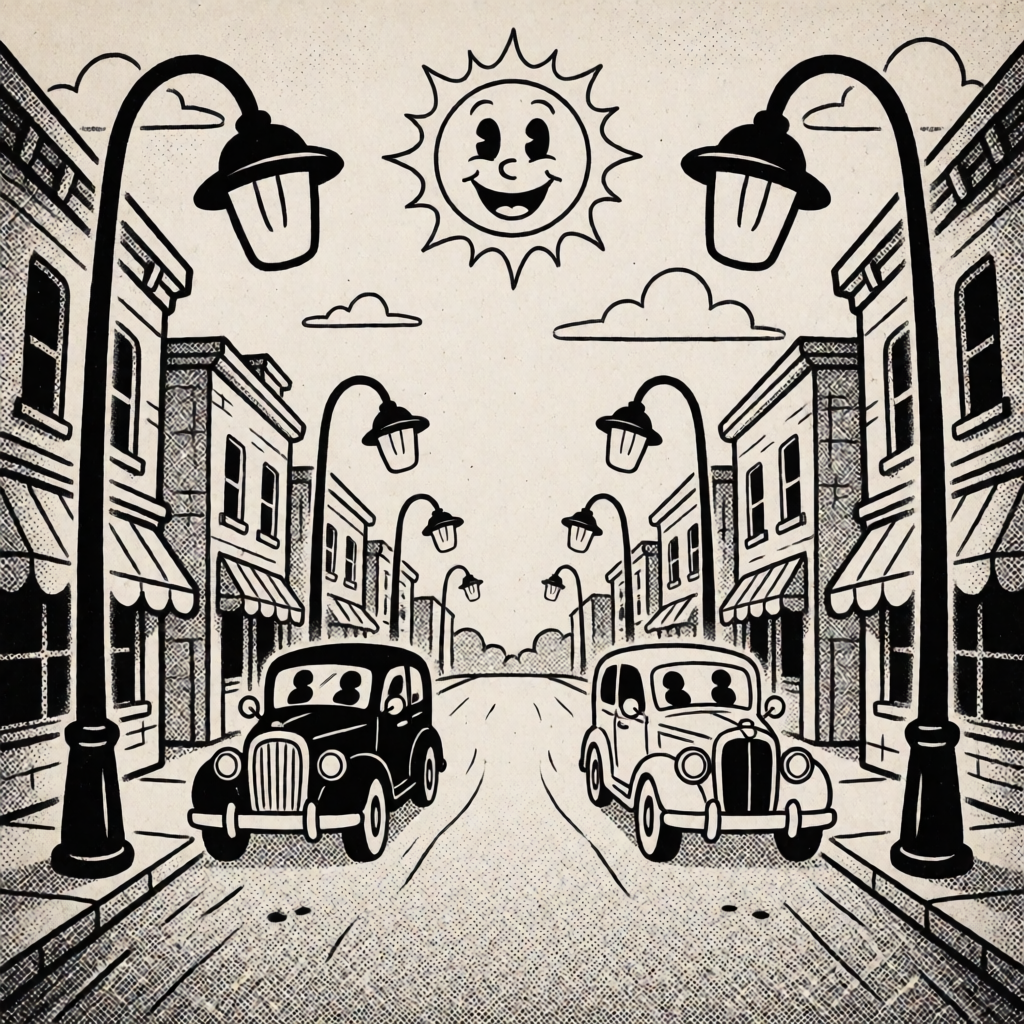
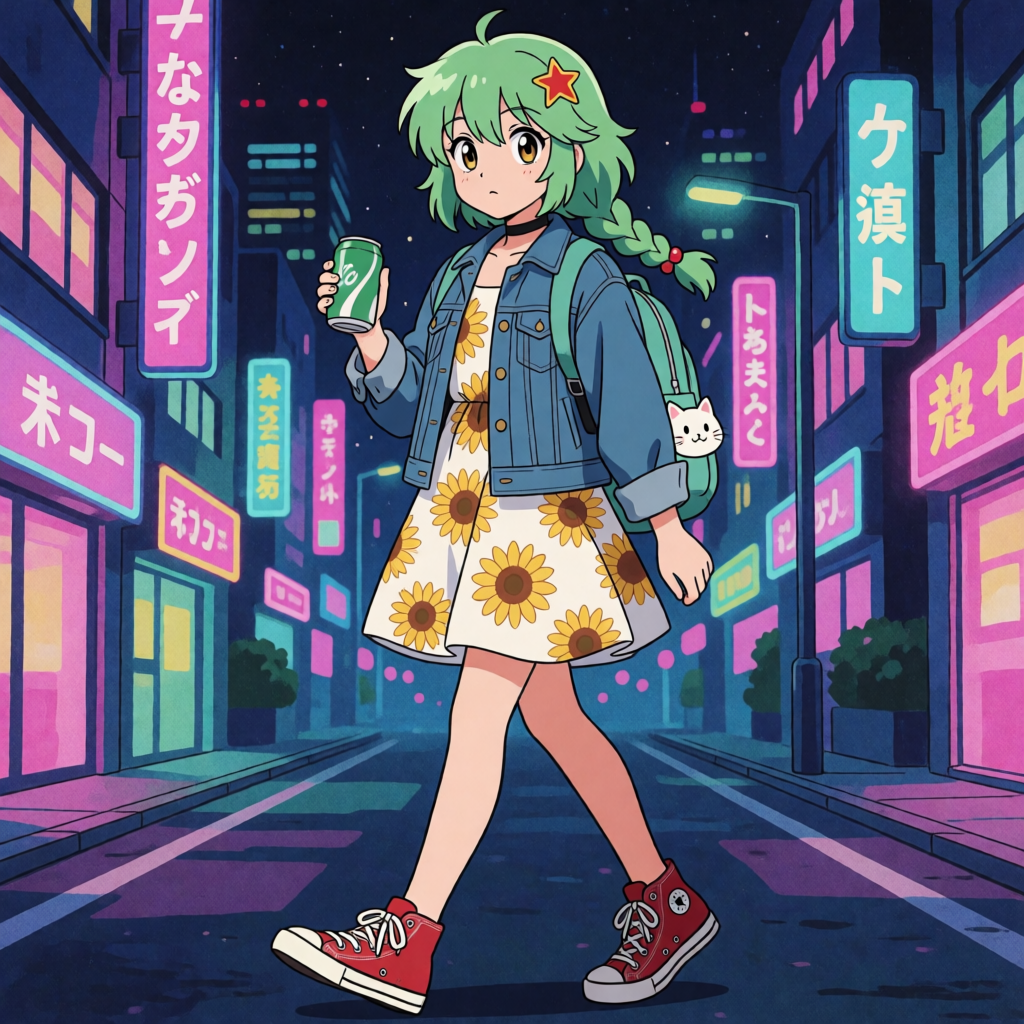
The pipeline: one root character and two style images generated text-only,
then combined through this node + the krea2_reference_v1 LoRA (layered:
text 1.0 / dit 0.0).
Step 1 — generate the ingredients (text-only, no references):
| Root character | Style image A (ukiyo-e) | Style image B (rubber-hose) |
|---|---|---|
|  |
|  |
|  |
|
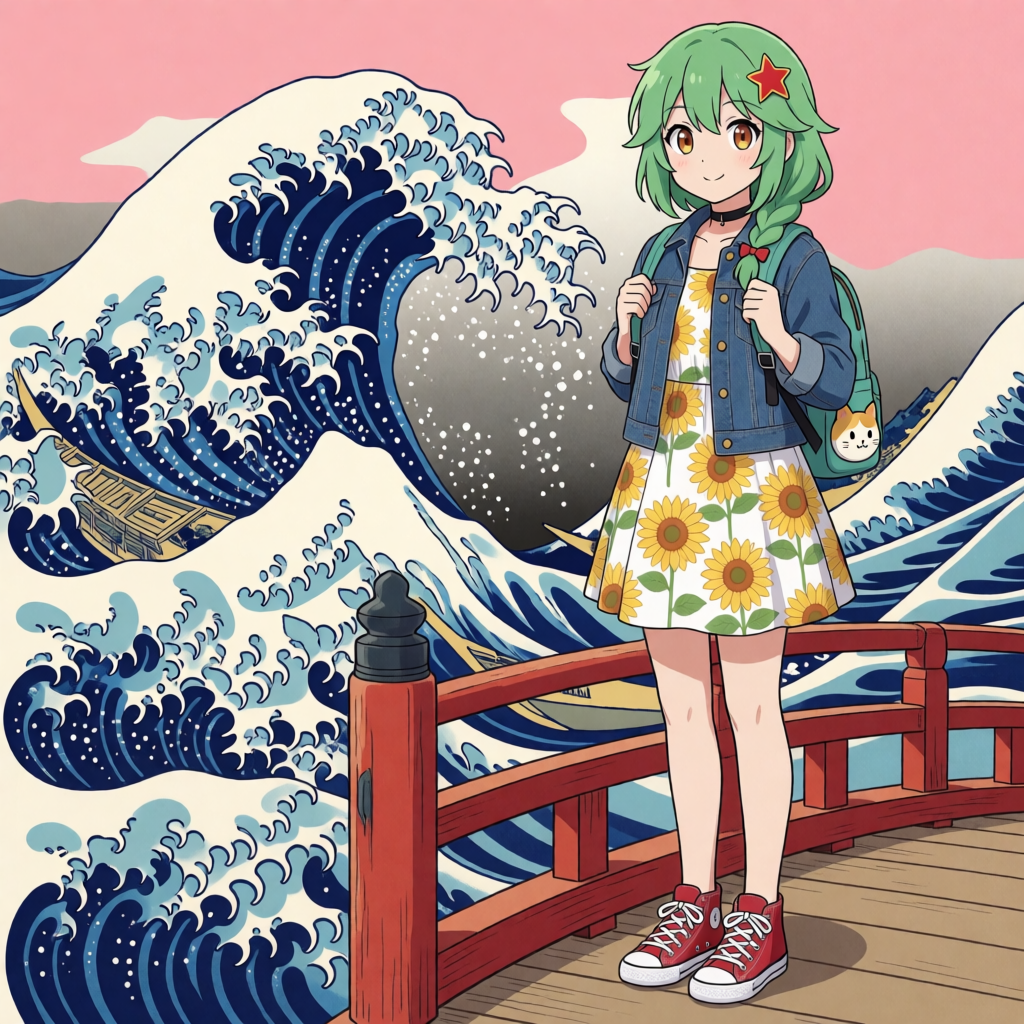
Step 2 — combine them: "the character from Picture 1, in the exact art style of Picture 2, <scene>"
| Girl × ukiyo-e | Girl × rubber-hose |
|---|---|
|  |
|  |
|
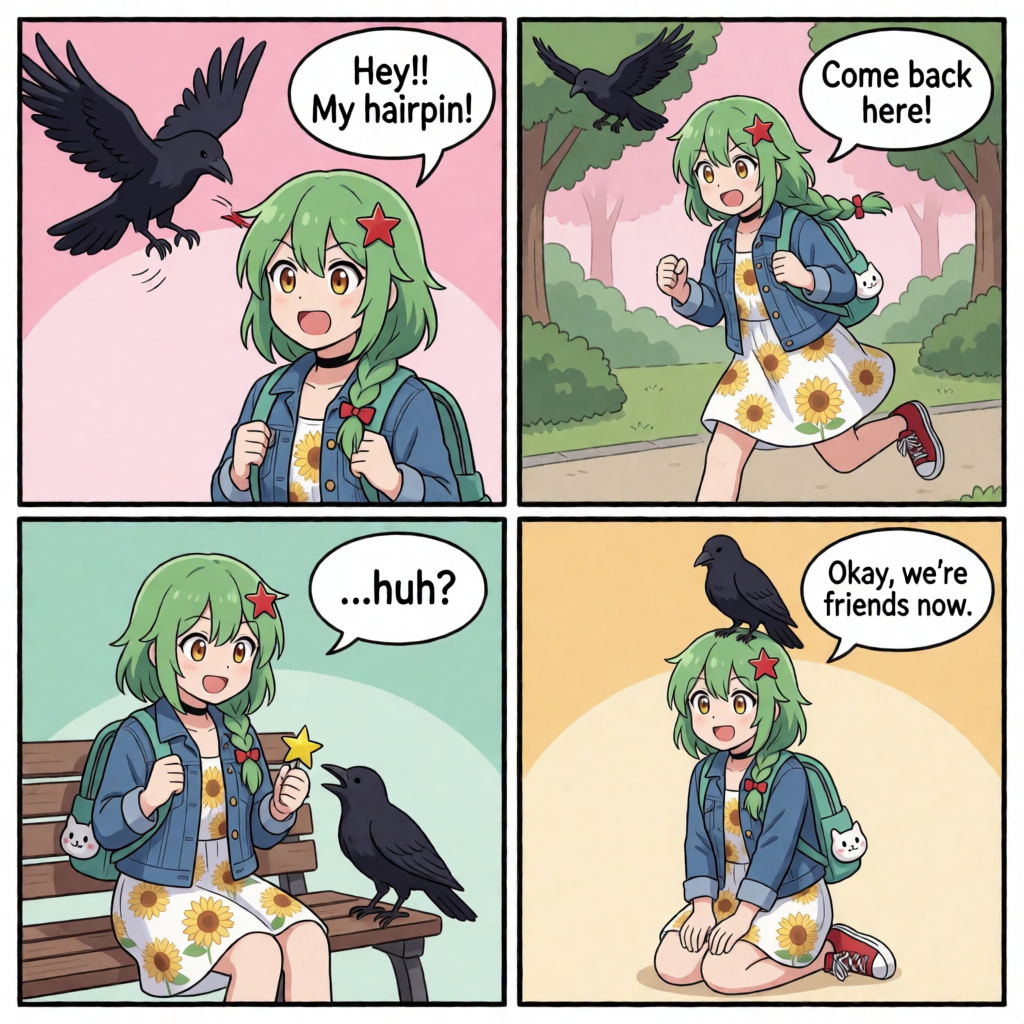
Style by text instead of image (single reference, style described in the prompt) and multi-panel:
| Watercolor (text style) | Retro 90s cel (text style) | 4-panel comic |
|---|---|---|
|  |
|  |
|  |
|
Same braid, star hairpin, freckles, bell choker, sunflower dress, cat backpack — across styles and panels. With two references (v1), the style image is adopted strongly by the scene and only partially by the subject; describing the style in text as well pushes it further onto the character.
Drag & drop: every PNG in
examples/embeds its full ComfyUI graph. Dropexamples/girl_in_ukiyoe.pnginto ComfyUI to get the two-reference workflow (2× Load Image → Krea 2 Reference Encode → layered LoRA → KSampler), orexamples/style_watercolor.pngfor the single-reference one.
Install
cd ComfyUI/custom_nodes
git clone https://github.com/KonokoAz/ComfyUI-Krea2-Reference
Models (ComfyUI format): Krea 2 checkpoint (UNETLoader), qwen3vl_4b
bf16 text encoder (CLIPLoader, type krea2 — fp8 breaks the vision
tower), qwen_image_vae (VAELoader). Download the reference LoRA from
Civitai / Hugging Face and put it in models/loras/.
Nodes
Krea 2 Reference Encode (TextEncodeKrea2Reference)
Prompt + up to 4 reference images. Roles live in the prompt: write
character1..4 for identity references and style1..4 for style-only
references (their patches are shuffled so the subject can't leak; characterN
wins if both appear). Both expand to the exact clauses the LoRA trains on —
"The character1 driving a car in the style2" is a complete prompt. Plain
image1..4 / Picture 1..4 also work; connected images never mentioned get a
character clause appended automatically.
| Input | Description |
|---|---|
| imageN_detail | vision tokens per ref: low/normal/high/max = 256/512/1024/1280px. High for characters, low for style/pose hints |
| imageN_mask | crop to mask bbox + white-out background before encoding |
| bg_removal | wire LoadBackgroundRemovalModel: auto-cleans content refs |
| layout_split | first fraction of steps conditioned on text only (0.25 kills collage layouts zero-shot; unnecessary with the LoRA) |
Krea 2 Reference LoRA (layered) (Krea2ReferenceLoraLoader)
Loads krea2_reference_v1.safetensors with independent strengths per layer
group. Reference addressing, anti-bleed and style transfer live in the
conditioning path (text_fusion/txt_in); the DiT-block tensors mostly add
identity drift.
strength_text_fusion 1.0+strength_dit_body 0.0— recommended. Base model rendering untouched, references followed. Best identity, best for comics.- Raise
strength_dit_bodyto ~0.3 for extra scene adherence on hard prompts. - A regular
LoraLoaderModelOnlyat strength 0.7–1.4 also works (single knob, slight identity drift at high strength).
Reference LoRA v1
Trained on ~2.7k reference-following triplets (teacher-generated character sets, judged for consistency by Qwen3-VL). What it fixes vs zero-shot:
- Scene text followed instead of ignored (no more white-background character-sheet collages).
"the character from Picture 1"/"in the exact art style of Picture 1"addressing.- Style transfer decouples the reference's palette/layout from the scene.
- Plain text-to-image unaffected (ref-dropout training rows).
Known limits (v2 in progress): character-sheet references induce multi-view clones (use single-pose refs); style refs strongly tied to a franchise drag their cast along; two-reference prompts (character + style) work only partially.
Tips
- The reference's colors ARE the character's identity. To restyle an
attribute, change it in the reference, not the prompt: a grayscale copy of
the character ref + "the entire image is black and white" produces a fully
monochrome scene (
examples/girl_in_rubberhose_bw.png); with the color ref, the character keeps her palette no matter what the prompt says. Raisingstrength_dit_bodydoes NOT help here — it pulls toward the LoRA's (colorful) training distribution. - CFG 1.0 on Turbo skips the negative prompt entirely — it's not a bug.
- Wide canvases encourage figure duplication; 1024×1024 is the sweet spot.
- For exact pose: pose image as init latent, denoise 0.70–0.78.